If your existing Windows 10 PC is running Windows 10 20H1 or later and meets the minimum hardware specifications it will be able to upgrade to Windows 11. The upgrade rollout plan is still being finalized, but for most devices already in use today, we expect it to be ready sometime in early 2022. Not all Windows 10 PCs that are eligible to upgrade will be offered to upgrade at the same time. To see if your PC is eligible to upgrade, refer to the specifications here.

Once the upgrade rollout has started, you can check if it is ready for your device by going to Settings/Windows Updates. Similar to how end users are notified when updates are available in Windows 10, end users will see an indication in the notification areas of the taskbar in the bottom right, that the upgrade is available. More information on how that is presented will be available at a later date. Additional desktop notification options may be also be added at a later date. Warren noted that he rarely used the Widgets panel or Microsoft Teams, citing that he preferred the weather display that later versions of Windows 10 offered, and didn't use Teams to communicate with his friends and family.
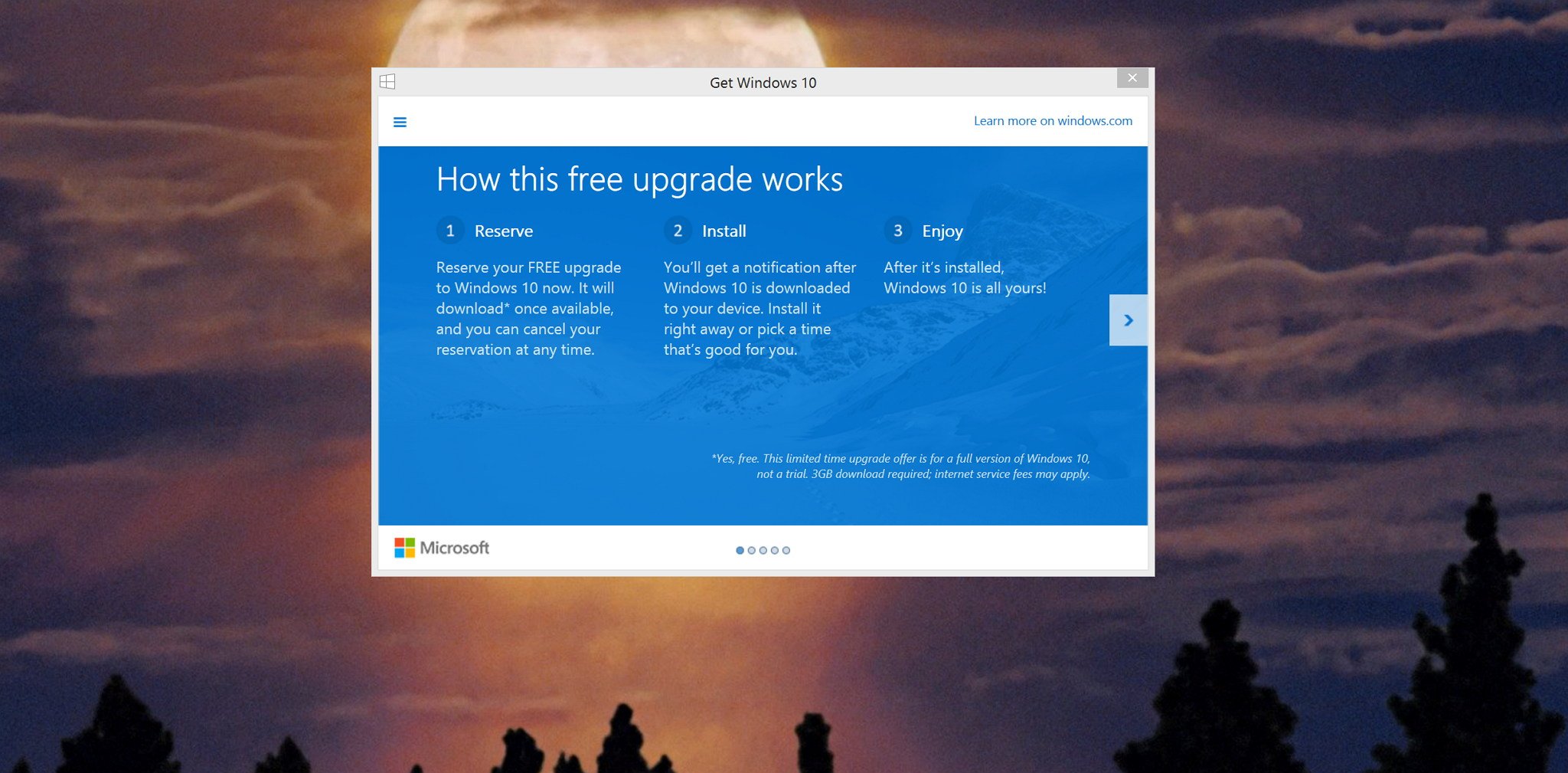
He also acknowledged the expansion of Microsoft Store to include more "traditional" desktop applications. If your existing Windows 10 PC is running the most current version of Windows 10 and meets the minimum hardware specifications it will be able to upgrade to Windows 11. Not all Windows 10 PCs that are eligible to upgrade to Windows 11 will be offered to upgrade at the same time. KMak, every time Apple releases a new version of a device, they update the hardware requirements for its OS, and they make older versions obsolete after a few years . The official, release version of Windows 11 is now available as a free upgrade to anyone who has Windows 10 and a PC that meets Microsoft's minimum hardware requirements.

However, the Redmond software giant isn't pushing the upgrade to every eligible system at once. Some users will be offered the option to upgrade in their Settings menu on or around the October 5th official launch date while others may be waiting until 2022. Most Windows 10 PCs currently being sold will be able to upgrade to New Windows.

For the PC to be able to upgrade to New Windows, it must meet the minimum hardware specifications and specific hardware is required for some features found here. The upgrade rollout plan is still being finalised but is scheduled to begin late in 2021 and continue into 2022. If you are having a brand new laptop or PC, then your system must be compatible with Windows 11 or even might come with it preinstalled. But issues may arise with the older versions of PCs, as its hardware might not match with the requirements of Windows 11.

Will Windows 11 Be A Free Update For Windows 10 If your PC has a 7th gen or previous Intel CPU, then it is unsupported by the latest upgrade. Still, you can migrate to Windows 11, but the way is a little more complicated as you will need to download install files, then perform a clean install and then restore the program and data files. Cunningham concluded that "as I've dug into and learned its ins and outs for this review, I've warmed to it more", but argued that the OS was facing similar "public perception" issues to Windows Vista and Windows 8. Original equipment manufacturers can still ship computers without a TPM 2.0 coprocessor upon Microsoft's approval. Some third-party software may refuse to run on unsupported configurations of Windows 11. All HUAWEI PCs with Windows 10 currently being sold on HUAWEI Consumer BG website will be able to upgrade to Windows 11.

For the PC to be able to upgrade to Windows 11, it must meet the minimum hardware specifications and specific hardware is required for some features. The upgrade rollout plan is still being finalized but is scheduled to begin late in 2021 and continue into 2022. Internet Explorer has been replaced by the Chromium-based Microsoft Edge as the default web browser, and Microsoft Teams is integrated into the Windows shell. Microsoft also announced plans to allow more flexibility in software that can be distributed via Microsoft Store, and to support Android apps on Windows 11 . Microsoft commercially released Windows 11 on Oct. 4, and noted that it's a free upgrade for Windows 10 systems that meet the new operating system's minimum requirements. Individuals with Windows 10 systems that pass Windows 11's stringent hardware requirements will be offered the new OS via the Windows Update mechanism.

It'll replace the underlying Windows 10 bits with Windows 11 bits via an automated "in-place upgrade" approach. However, it's possible for users to decline the upgrade and continue with Windows 10. As part of the minimum system requirements, Windows 11 only runs on devices with a Trusted Platform Module 2.0 security coprocessor.
According to Microsoft, the TPM 2.0 coprocessor is a "critical building block" for protection against firmware and hardware attacks. In addition, Microsoft now requires devices with Windows 11 to include virtualization-based security , hypervisor-protected code integrity , and Secure Boot built-in and enabled by default. The operating system also features hardware-enforced stack protection for supported Intel and AMD processors for protection against zero-day exploits.

If the Microsoft Surface family of products isn't your style though, other brands like Dell, Asus and HP have all released pages online that specify what devices are Windows 11 ready. Note that many won't come with the new operating system installed, but as they all meet the minimum system requirements, you can simply buy the laptop or 2-in-1 as normal and then update it yourself. Although Windows 11 is a free upgrade for existing devices running Windows 10, the hardware needs to meet the minimum requirements to continue with the installation process. In a nutshell, you need an Intel's 8th Gen or newer, AMD Zen 2 or newer, or Qualcomm 7 and 8 Series processor. This is in addition to the requirements of TPM 2.0 and Secure Boot and a minimum of 64GB of storage.

Citing security considerations, the system requirements for Windows 11 were increased over Windows 10. While the OS can be installed on unsupported processors, Microsoft does not guarantee the availability of updates. Windows 11 also drops support for 32-bit x86 CPUs and devices which use BIOS firmware.
… To see if your PC is eligible to upgrade, download and run the PC Health Check app. The answer is just keep using Win10, until the hardware doesn't do what you need it to. The lack security updates won't matter to the average home user, as they can already jack up an install still being updated.

There are people still trying to hang on to Macs that don't have or soon won't get valid root certificates for SSL sites. On the Microsoft side it's a bigger issue in the corporate space, but on Mac those computers become useless on the internet without completely switching the OS. MS has at least demonstrated a willingness to issue a post eol patch when something particularly egregious is discovered. With its machine learning technology, Microsoft has determined further devices on which the Windows 11 update prompt should now appear automatically. The Redmond-based software company has not revealed any additional information on which exact PC configurations are included in this third group.

However, manually triggering the Windows 11 update, which is how many tech enthusiasts probably installed Windows 11 in the past weeks, is no longer necessary on these PCs. Users can simply check the regular Windows Update application in order to verify whether the Windows 11 upgrade is ready to download on their respective device. If you have had the same installation for a long time, you might need to analyze and repair the current setup to fix missing or damaged files. Otherwise, during the upgrade process, the chances of running into issues will be high. However, if you plan to proceed with a clean installation using a bootable USB flash drive, then you can't skip this suggestion since the previous installation will be erased during the process.

Furthermore, if you plan to upgrade with a clean installation, you will also need to make sure the computer can start from a USB flash drive. If you're using Windows 10, installing Windows 11 will feel just like installing a Windows 10 feature update. Microsoft has said exactly that, which means the upgrade process should be pretty easy. It's also been confirmed that Windows 11 will be a free update for Windows 10 users, as long as their PC is compatible.
The free upgrade will start rolling out this holiday and it has no set end date yet, so you should be able to upgrade whenever you feel ready. A redesigned user interface is present frequently throughout the operating system, building upon Fluent Design System; translucency, shadows, a new color palette, and rounded geometry are prevalent throughout the UI. In October 2019, Microsoft announced "Windows 10X", a future edition of Windows 10 designed exclusively for dual-touchscreen devices such as the then-upcoming Surface Neo. Legacy Windows applications would also be required to run in "containers" to ensure performance and power optimization. Microsoft stated that it planned to release Windows 10X devices by the end of 2020. Bob Pfeffer, on your computer that fails to update to Windows 11, run Windows Update repeatedly until the check tells you that you are up to date.

Then run the PC Health Check app again just to be sure that your hardware is truly supported in Windows 11. After that, back up your files, if not to an external drive, sync with Microsoft OneDrive so your files reside somewhere other than on your system drive. Finally, run Windows Update, check the optional updates, you should see the upgrade to Windows 11 there. If not, you can then safely upgrade to Windows 11, even if it wipes your drive because you already have everything backed up, either to an external drive, or to Microsoft OneDrive. While it's technically true that Microsoft "requirements" didn't stop me from installing Windows 11 on an unsupported 2019 iMac, their system detection software did slow me down quite a bit. The main issue with the approach is that Microsoft does not support this officially.

The main issue that Windows 10 users will run into in October 2025 is that Microsoft won't create security updates for the operating system anymore. Windows 10 devices will continue to work like before, but there will be security issues that Microsoft won't fix after the last Patch Day on October 14, 2025. Other companies, including 0Patch, may step in and produce some security updates for Windows 10, but the company won't release patches for all issues and some may not be released for free. Microsoft continues to test new features and improvements after Windows 11 was released.
It only tests the latest version of Windows with members who participate in the Windows Insider Program in the Dev, Beta and Release Preview channels. The Beta and Release Preview channels offer admins and users a sneak peek at the end of the month of non-security updates that will arrive in the Patch Tuesday update, which falls on the second Tuesday of every month. Microsoft makes you accept that the company can stop providing updates, and security patches to Windows 11 on these devices. While Microsoft is unlikely to do that in practice, it's still better to be on the safer side. Also, you're likely to run into driver incompatibility issues on unsupported devices. Especially, if your computer is running hardware that is more than 5-6 years old.

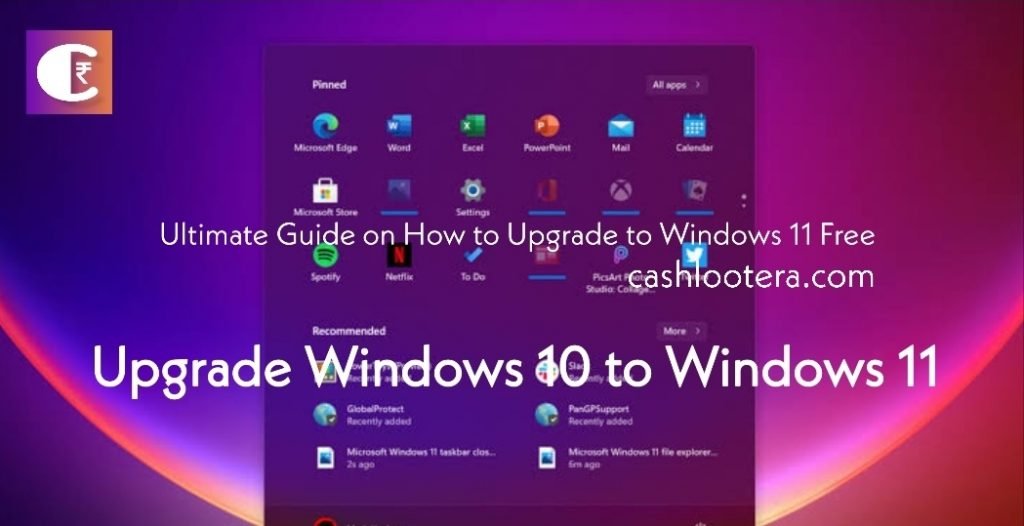
On the day 24 June, Microsoft unveiled the next OS generation Windows 11, which comes with an overhaul new UI, Start Menu arrangements and solid security requirements of a TPM 2.0 chip and UEFI secure boot. The overall security improvement in Windows 11 is optimistically estimated to be a 40% increase than Windows 10! Microsoft hopes that all the modern computers and laptops get the Windows 11 free upgrade from Windows 10 since they meet the minimum system requirements as below. For example, even though Windows 11 is available as a free optional update for Windows 10, the device must meet the new system requirements. You need to ensure that the Trusted Platform Module and Secure Boot are enabled on the computer. You also need to make sure the device has enough space and there are no problems before continuing with the upgrade.

Furthermore, you want to create a backup in the case you need to roll back, check the activation status, and create installation media. There are a few risks that come along with not updating to Windows 11, these include losing out on the latest features, security updates, patches, and compatibility with upcoming security features and applications. Many games that use Anti-cheat tools also have started relying on Windows 11 security features to provide fair gameplay. While these games still work on Windows 10, it is only a matter of time before Windows 11 ends up becoming a requirement. To see if your PC is eligible to upgrade, refer to our supported computer lists. At least 16GB of RAM The basic system requirements of Windows 11 differ significantly from Windows 10.
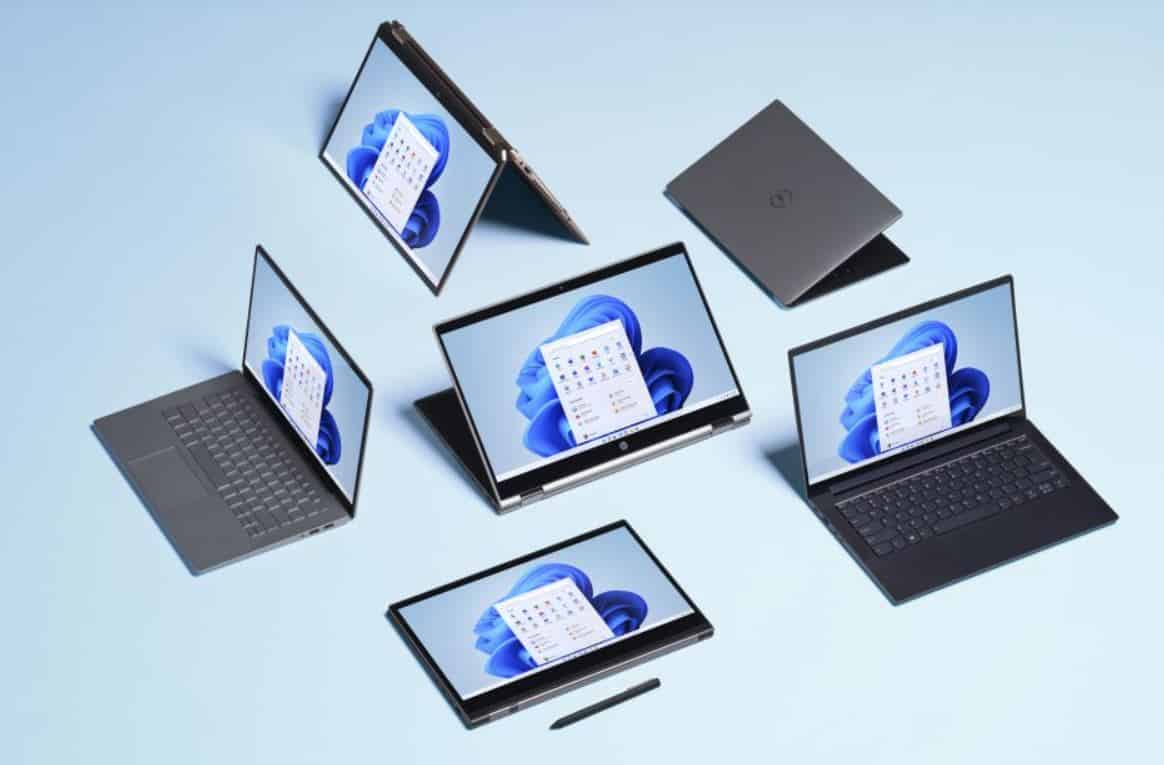
Windows 11 only supports 64-bit systems such as those using an x86-64 or ARM64 processor; IA-32 processors are no longer supported. Thus, Windows 11 is the first consumer version of Windows not to support 32-bit processors . The minimum RAM and storage requirements were also increased; Windows 11 now requires at least 4GB of RAM and 64GB of storage. S mode is only supported for the Home edition of Windows 11. The compatibility list includes the Intel Core i7-7820HQ, a seventh-generation processor used by the Surface Studio 2, although only on devices that shipped with DCH-based drivers. The above distros are available from Canonical and come in both free or paid for versions.
The paid version is about 50 quid and offers more features and more support. All come with a suite of software for office and internet use. The default browser is Firefox but you can also have Chromium or other browsers. If you installed Linux alongside Windows, no problem, except that you will have lost some of your hard disk space to Linux. But if you want to delete Linux, you can restore your HD, using something like Partition Magic.

This PC doesn't meet the minimum system requirements for running Windows 11 - these requirements help ensure a more reliable and higher quality experience. Installing Windows 11 on this PC is not recommended and may result in compatibility issues. If you proceed with installing Windows 11, your PC will no longer be supported and won't be entitled to receive updates. Damages to your PC due to lack of compatibility aren't covered under the manufacturer warranty.

Most Windows 10 devices that do not meet the minimum system requirements will stay on that version of Windows, but what happens when Windows 10 runs out of support in 2025? Microsoft lists October 14, 2025 as the retirement date for Windows 10 Home and Pro . Some users will certainly replace their devices with new ones, which will likely include Windows 11 or are at least compatible with the new operating system.
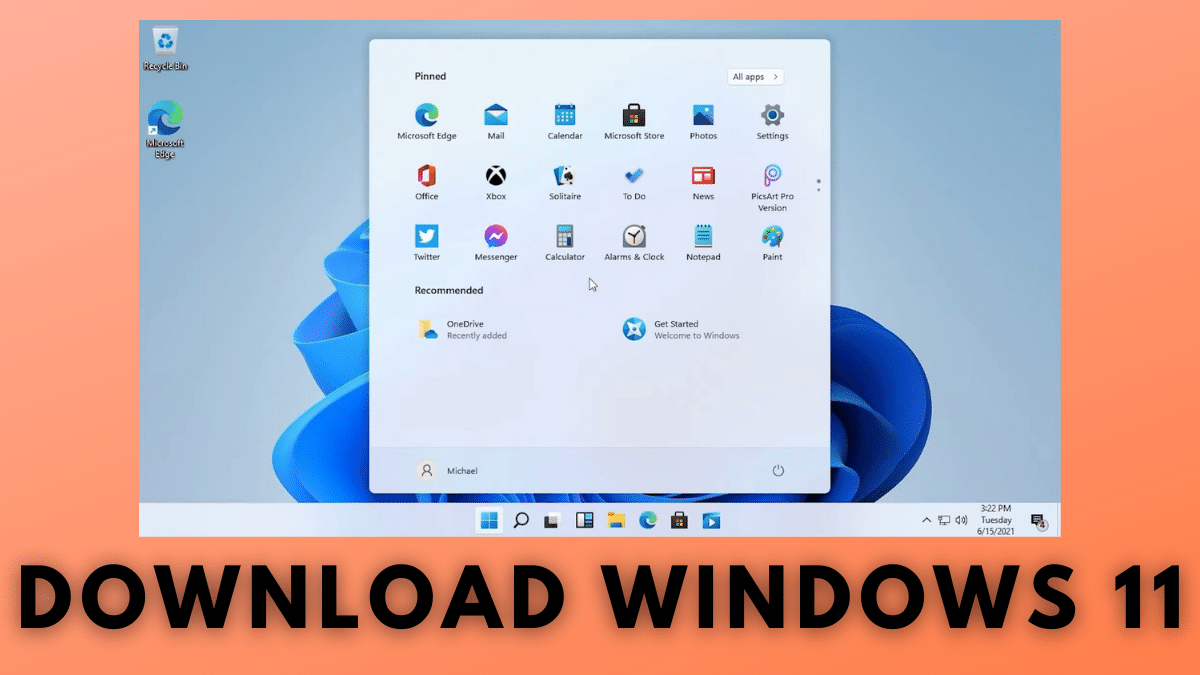
Microsoft has limited the number of devices that can officially run the latest version of Windows, with its restrictive hardware requirements. Most of the latest laptops will support Windows 11, but you're probably out of luck if you built your own desktop PC or use anything more than around four years old. With that said, if your device supports Windows 11, there is no reason you should not upgrade. If you haven't already received an alert prompting you to update, and your PC is compatible with Windows 11, you can use the Windows 11 Installation Assistant Tool to download and install the update onto your system. This will not erase any of your personal files and is similar to an OTA (over-the-air) update – however, it's always advisable to have backups.
Similarly, you can create a bootable USB drive or a disk image to perform a clean install. After the announcement of the launch of Windows 11, there was a lot of fuss about the devices that could support it. Windows 11 officially requires a Trusted Platform Module 2.0, UEFI, and Secure Boot in order to run on a machine, and if yours doesn't meet those requirements, you will not be able to install it. The easiest way to check whether your hardware is eligible is by installing Microsoft's own PC Health Check application.
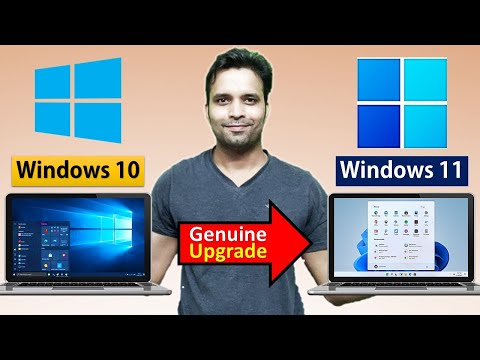
Once you complete the steps, the tool will download the files and create an installation media, which you can then use to upgrade a compatible computer to Windows 11. Once the installation is complete, you should find all of your files and applications in the same place you left them before the update. Some may sport a new look (those rounded edges on apps and folders look nice, don't they?) but everything should function as you remember.

Upgrades to Windows 11 will begin to roll out late in 2021 and continue into 2022. During this time, we will be doing some behind the scenes testing and validating for your specific PC. Windows Update will provide an indication if and when your PC is eligible. You can check to see by going to Settings/Windows Update. Next, Microsoft says it will look at hardware eligibility, reliability metrics and other factors on existing Windows 10 devices to determine when to offer the latest OS through Windows Update. It's a similar approach to how the company has handled Windows 10 feature updates over the years.

You can find out whether your device is compatible using the PC Health Check app. There are many users who, after the release of Windows 11, went ahead and checked whether their PC is eligible to be upgraded with Windows 11. Sadly, they found out that their PC does not meet the minimum requirements to install Windows 11. In this case, the question arises what options are left then? To put it simply, the best option here is to buy a new PC before the deadline, i.e. 2025. One of the most valuable features of Windows 10 is Timeline.